

July 19, 2017
Devotions: Timeline of the Reformation: Jacobus Arminius, Synod of Dort, 1619
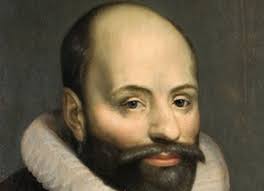
Jacobus Arminius was a Dutch Reformed theologian and professor of theology at the University of Leiden, Leiden Netherlands. Arminius was born Jacob Hermansen at Oudewater, Utrecht, on October 10, 1560. Taking a Latinized form of one’s name was a custom of the time for theology students, and so he changed his name. His father died while Jacob was an infant, leaving his mother a widow with small children. A priest, Theodorus Aemilius, adopted Jacob and sent him to school at Utrecht. His mother was slain during the Spanish massacre of Oudewater in 1575. About that year Arminius was sent to study theology at the University of Leiden.
Through his studies, Arminius would develop a theology that would compete with the theology of John Calvin. He would study under the tutelage of Theodore Beza in Geneva, and would be ordained in 1588. As stated previously, Arminius is best known for founding an “Anti-Calvanistic” school and theology that is named for him – Arminianism. The theology of Arminianism was not fully developed during Arminius’ time, but was systematized after his death and formalized in what is known as the “Five Articles of Remonstrance” in 1610. The works of Arminius were published in Latin at Leiden in 1629, and at Frankfort in 1631 and 1635. After his death, at the Synod of Dort (1618-1619), his teaching was condemned by the State church. Later, however, Arminianism received official “toleration” by the State and has since continued in various forms within Protestantism.
Here are the Five Articles of Remonstrance:
Article 1 That God, by an eternal and unchangeable purpose in Jesus Christ his Son, before the foundation of the world, hath determined, out of the fallen, sinful race of men, to save in Christ, for Christ’s sake, and through Christ, those who, through the grace of the Holy Ghost, shall believe on this his son Jesus
Article 2 That agreeably thereunto, Jesus Christ the Savior of the world, died for all men and for every man, so that he has obtained for them all, by his death on the cross, redemption and the forgiveness of sins; yet that no one actually enjoys this forgiveness of sins except the believer, according to the word of the Gospel of John 3:16, “For God so loved the world, that he gave his only begotten Son, that whosoever believeth in him should not perish, but have everlasting life.”
Article 3 That man has not saving grace of himself, nor of the energy of his free will, inasmuch as he, in the state of apostasy and sin, can of and by himself neither think, will, nor do any thing that is truly good (such as saving faith eminently is); but that it is needful that he be born again of God in Christ, through his Holy Spirit, and renewed in understanding, inclination, or will, and all his powers, in order that he may rightly understand, think, will, and effect what is truly good, according to the Word of Christ
Article 4 That this grace of God is the beginning, continuance, and accomplishment of all good, even to this extent, that the regenerate man himself, without prevenient or assisting, awakening, following and cooperative grace, can neither think, will, nor do good, nor withstand any temptations to evil; so that all good deeds or movements, that can be conceived, must be ascribed to the grace of God in Christ.
Article 5 That those who are incorporated into Christ by true faith, and have thereby become partakers of his life-giving Spirit, have thereby full power to strive against Satan, sin, the world, and their own flesh, and to win the victory; it being well understood that it is ever through the assisting grace of the Holy Ghost; and that Jesus Christ assists them through his Spirit in all temptations, extends to them his hand, and if only they are ready for the conflict, and desire his help, and are not inactive, keeps them from falling, so that they, by no craft or power of Satan, can be misled nor plucked out of Christ’s hands, according to the Word of Christ, John 10:28: (theopedia.com, Five Articles of Remanstrance, Jacobus Arminius)
I invite you to read the fourth article listed above and then read Luther’s explanation to the third article of the Apostle’s creed – note the similarities and the differences – the similarity being the work of the Holy Spirit in our lives and in our faith lives.
Pastor Dave
Please collect packs of toilet paper and rolls of paper towels for Trinity’s Table.
 Lutheran Schreff