

May 29, 2017
Devotions: Personalities of the Reformation: Aonio Paleario
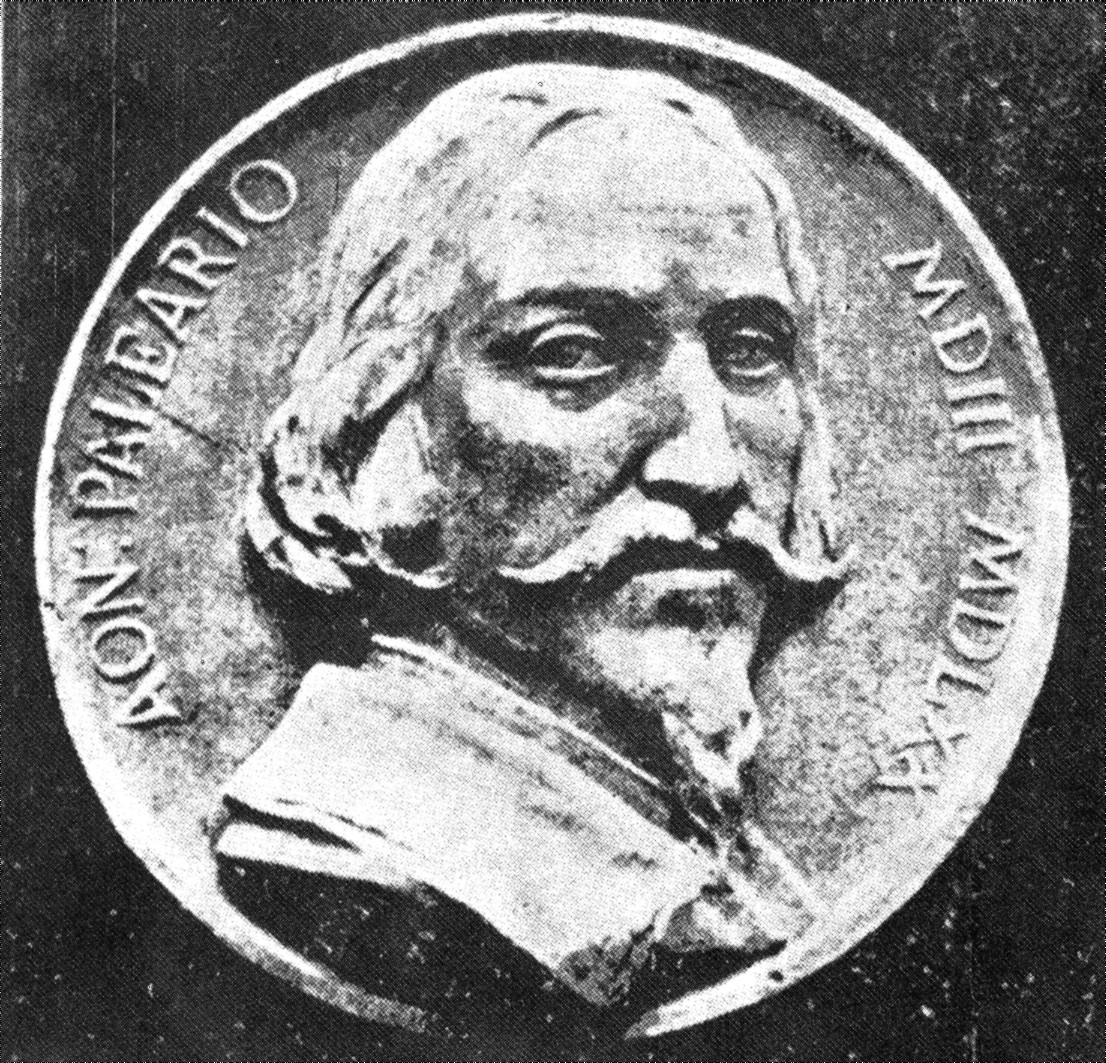
Aonio Paleario was born in 1503. Paleario, also known as Antonio dalla Paglia was a great Italian reformer – another who has been almost forgotten by Americans as we study the Reformation. Perhaps we have lost many of these important Protestant Reformers due to the Counter-Reformation and the zeal with which the Church of Rome hanged, burned, and zealously removed accused heretics and their works. Paleario may also have been lost to history due to the fact that his writings were not broadly distributed and or translated. In 1520 he went to Rome to study Homer, Virgil and the like, and in 1536 he published a poem in Latin. He began reading the scriptures and discovered the doctrine of justification by faith – perhaps on his own, or perhaps he crossed paths with the likes of Luther. I cannot find any information to support either. He married, and had two sons and two daughters. Some monks formed a plot against him to convict him of heresy, but he defended himself and was declared innocent.
Many of his writings only remain in the original Italian. But Paleario’s most important writing is his The Benefit of Christ’s Death. This short treatise on the passion of Christ was the center of both his triumph and his turmoil. Originally penned around 1542, Paleario was censured and charged with heresy by the Holy Roman Inquisition in 1567 for the topics and conclusions of his treatise. Chief among these was the doctrine of justification by grace through faith in Christ. Paleario dealt with justification by Grace through Faith at length in“The Benefit of Christ’s Death”. He writes that “if the sin of Adam was sufficient enough to make all men sinners and children of wrath, without any misdeed of our own, much more shall Christ’s righteousness be of greater force to make us all righteous, and the children of grace, without any of our own good works.”
Thirty years after writing “The Benefit..” he was arrested again for heresy. He was accused of denying purgatory and for saying that Christians are justified by faith alone (Sola Fide). He was hanged and then burnt in Rome on July 3rd, 1570. Many people forget that there was a small Reformation in Italy because it died out and we do not see fruits of it today. (much of the preceding was adapted and borrowed from “themajestysmen.com, Brad Grey, November 21, 2016, A FORGOTTEN REFORMER: AONIO PALEARIO’S THE BENEFIT OF CHRIST’S DEATH”, and “reformingtoscripture.com, Aonio Paleario”)
Even when there were just small outbreaks of Reformative movements within the church during the 16th and 17th centuries, people of great courage and insight came forward to write, to preach, and to seek to make changes. It seems to make sense that if there were to be a reformation movement in Italy, that it, of all places, would be severely dealt with and eliminated. So the fact that he was hanged, and then burned, though redundant, is no surprise. The message would have been received with those who had the same insights and ideas.
Pastor Dave
Please bring in sunscreen and hand sanitizer for Trinity’s Table.
 Lutheran Schreff