

February 8, 2017
The Apostle Paul
“After we had reached safety, we then learned that the island was called Malta. The natives showed us unusual kindness. Since it had begun to rain and was cold, they kindled a fire and welcomed all of us around it. Paul had gathered a bundle of brushwood and was putting it on the fire, when a viper, driven out by the heat, fastened itself on his hand. When the natives saw the creature hanging from his hand, they said to one another, “This man must be a murderer; though he has escaped from the sea, justice has not allowed him to live.” He, however, shook off the creature into the fire and suffered no harm. They were expecting him to swell up or drop dead, but after they had waited a long time and saw that nothing unusual had happened to him, they changed their minds and began to say that he was a god. Now in the neighborhood of that place were lands belonging to the leading man of the island, named Publius, who received us and entertained us hospitably for three days. It so happened that the father of Publius lay sick in bed with fever and dysentery. Paul visited him and cured him by praying and putting his hands on him. After this happened, the rest of the people on the island who had diseases also came and were cured. They bestowed many honors on us, and when we were about to sail, they put on board all the provisions we needed.” Acts 28:1-10
On this day, February 8, 58, Paul set sail from Malta for Rome, maybe. The maybe is not about the place, but is about the date.
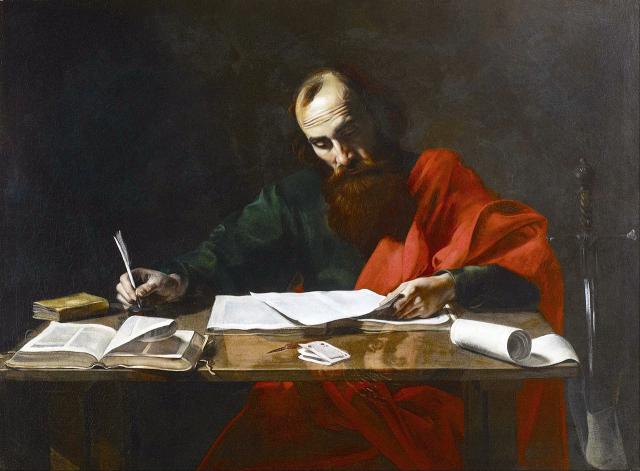
“This may be the day that Paul sailed from Malta, according to Jack Finegan’s reckoning in the Handbook of Biblical Chronology. Pliny tells us in his Natural History (an early encyclopedic work) that February 8 was the date Spring opened its seas to voyagers. If the sailors acted on the traditional date, we may actually have pinned down an exact moment in Paul’s life.
Paul was converted in ad 36. For several years he preached the gospel, always going to Jews first, and when the majority rejected him, turning to the gentiles. His gospel was of salvation by faith in the resurrected Christ whom he had seen with his own eyes. Good deeds could not win it although they would surely follow it. Despite great adversity, Paul carried the gospel through Asia Minor and Southern Europe. In fact, Europe is Christian today in large measure because of Paul’s zeal. Eventually Paul was arrested in Jerusalem. Imprisoned for several years, he finally appealed to Caesar, which was his right as a Roman citizen. He was shipped off to Rome under guard. This was probably in 57. On the way, he and his companions were wrecked on the island of Malta where they wintered, in custody of Roman soldiers.” (Christianity.com website, Paul Sailed from Malta to Rome—Maybe)
Paul is known as the greatest missionary for the early Christian church. The Christian church would not have spread as far and as quickly were it not for Paul’s mission to the Gentiles. His life most likely ended in Rome, but to have the first hand account of his missionary trips and possible dates to place him in history, all contained in the book of Acts, well all of that is priceless.
Pastor Dave
 Lutheran Schreff